
The best identity theft protection service is the one that matches your needs for monitoring, useful alerts, recovery help, household coverage, and long-term value. Compare the exact plan terms instead of relying on a single ranking, and remember that paid monitoring complements—not replaces—free safeguards such as credit freezes and stronger account security.
What identity theft protection services do—and do not do
Identity theft protection services generally watch selected identity and credit signals and notify you when they detect potentially suspicious activity. Depending on the service and plan, monitoring may cover credit reports, a Social Security number, email addresses, dark-web exposure, new accounts, address changes, or leaked passwords.
Their practical value lies mainly in earlier detection and help responding after a warning. They cannot block every form of fraud, guarantee that identity theft will not occur, or replace direct precautions. Strong, unique passwords, an additional authentication step, careful review of accounts and statements, and credit freezes remain important even when you pay for monitoring.
Before subscribing, define what you want the service to accomplish. Someone seeking broader visibility may prioritize identity and credit monitoring, while someone concerned about handling a complicated incident may place more weight on hands-on restoration support. This distinction helps prevent a long feature list from obscuring whether a plan addresses your actual risk and support needs.
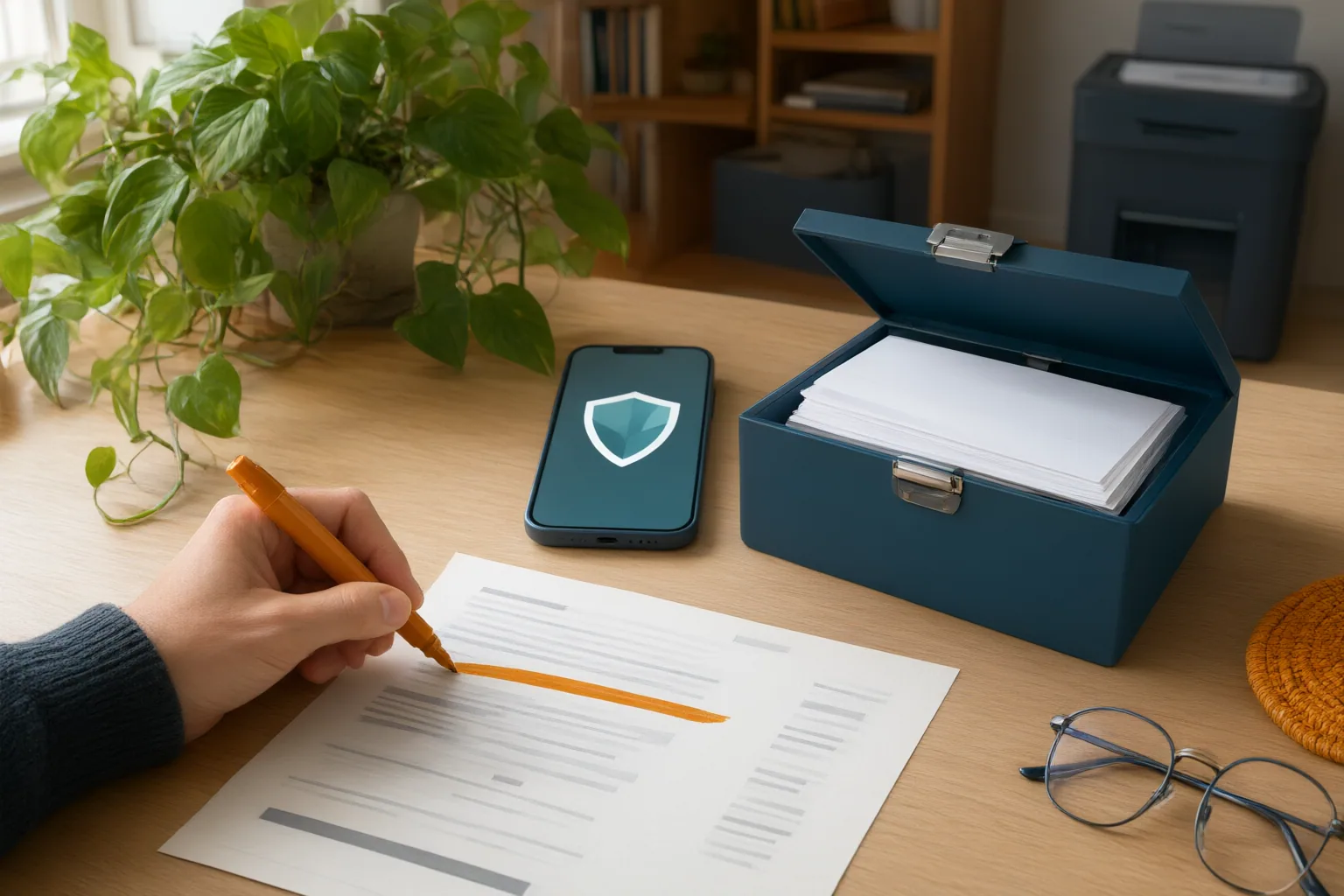
Compare monitoring, alerts, and hands-on recovery support
Start by listing exactly what a plan monitors. Confirm whether credit monitoring covers one bureau or all three major bureaus, and determine whether the advertised coverage is included in the quoted tier. Some services limit bureau monitoring or three-bureau coverage to higher-priced plans. Also check which other identifiers and exposures are watched, rather than assuming that every service monitors the same data.
Next, examine what happens when the service finds something. Look for the types of events that generate alerts and the information provided to help you judge and address them. An alert can draw attention to a new account, changed address, or exposed credential, but notification alone does not resolve identity theft.
Recovery support deserves a separate comparison. Available help can range from an action plan and general restoration guidance to assistance from a dedicated case manager, resolution specialist, or licensed private investigator. Ask who would handle your case, what tasks that person would assist with, and whether that level of support is included in the plan you are considering.
Published comparison guides have selected different overall favorites, so no single ranking should substitute for this review. A useful comparison records monitoring scope, alert coverage, recovery staffing, and tier restrictions side by side.

Check family coverage, bundled tools, and long-term cost
Do not treat “family” as a standard coverage definition. Reviewed plans differ in the numbers and types of adults, children, and other household dependents they include. Verify each person’s eligibility, whether adult household members receive separate monitoring, and whether adding people changes the required tier or cost.
Some plans combine identity monitoring with antivirus software, a virtual private network, password management, safe-browsing features, or data-removal services. These additions may be useful if they replace tools you would otherwise obtain separately, but availability and eligible tiers vary. Compare what is actually included and whether the bundle fits your needs; the presence of more extras does not establish that a plan provides better identity monitoring or recovery assistance.
Evaluate cost over the period you expect to keep the service. Introductory offers, annual billing, renewal increases, and differences between tiers can change long-term value. Record the initial charge, billing schedule, renewal terms, covered household members, and essential features for the same period. Because provider terms and pricing may change, verify current details directly before subscribing and avoid comparing a promotional price from one plan with a renewal price from another.
Conclusion
There is no universal winner for every individual or household. Compare the precise monitoring scope, bureau coverage, alert types, recovery assistance, eligible family members, bundled tools, tier limits, and renewal terms. Give extra weight to the features you would rely on during a suspected identity-theft incident.
Then strengthen the protections under your direct control: enable transaction alerts and added authentication, use unique passwords, and review credit reports and financial or medical statements. When appropriate, place a free credit freeze separately with Equifax, Experian, and TransUnion; a freeze restricts access to your credit records and can help prevent new-account fraud. Before choosing a paid plan, verify its current coverage and renewal terms directly with the provider and compare them against this checklist.
Disclosures and limitations
- This article was prepared with AI assistance from the supplied research package and its cited sources; plan features, eligibility, prices, and renewal terms may change and should be verified directly with providers.
- No product ranking or recommendation here should be treated as an undisclosed endorsement. If affiliate relationships are introduced when the article is published, they should be clearly disclosed to readers.
Related reading
- Account Security and Fraud Awareness
- Nintendo Black Friday Shopping: How to Compare Deal Information Across Retail Pages
Sources
- Best Identity Theft Protection Services of 2026 — Security.org
- Best Identity Theft Protection Services We've Tested in 2026 — CNET
- How to Prevent Identity Theft: Warning Signs, Prevention Signs and More – NerdWallet — NerdWallet
- The Best Identity Theft Protection Software We've Tested for 2026 — PCMAG
- How to prevent identity theft: 19 security tips – LifeLock — lifelock.norton.com
- Best Identity Theft Protection for Seniors in 2026 — SeniorLiving.org
- Is Identity Theft Protection Worth It? Only in These Cases — aura.com
- Best Identity Theft Protection Services for 2026 — CyberInsider
- I've ranked all the best identity theft protection: top services from Aura, IdentityForce, Experian, and more — TechRadar
- Top Identity Theft Protection Services 2024 — YouTube